What to Expect on Your First African Safari: A Practical Guide for First-Time Travellers

Your first African safari can feel unfamiliar before you arrive. You may know which animals you hope to see and have photographs of the lodge or camp, but it is harder to picture what the experience itself will actually be like: how early the mornings start, how long you spend in a safari vehicle, what happens when your guide finds wildlife, what meals and downtime look like, and how the rhythm of the day changes once you are in the bush.
There is no single version of a safari day. A private reserve in South Africa may operate differently from a mobile camp in Botswana, a Serengeti itinerary may involve longer periods in the field, and destinations such as Zambia can add walking, boating or night drives to the traditional game-drive routine. Even so, most safaris share a recognisable rhythm built around the cooler hours of early morning and late afternoon, with quieter time in camp during the middle of the day.
This practical guide explains what to expect on your first African safari, from game drives, wildlife sightings and guiding to camp life, meals, transfers, clothing, safety and the small details that often surprise first-time travellers. If you are still deciding where to go and how to plan your first safari in Africa, start with our dedicated planning guide, then use this article to understand what the experience is likely to feel like once you arrive.
Planning Your First Safari?
Understanding what safari life is actually like makes it easier to choose the destinations, camps and travel style that suit your comfort level, interests and preferred pace.
What Your First African Safari Is Actually Like
The first thing to understand is that safari is not a conventional sightseeing holiday. You are not moving between attractions according to a fixed timetable, and wildlife does not appear on demand. Your guide reads tracks, listens to alarm calls, watches the behaviour of other animals and shares information with other guides to build a picture of what may be happening around you. Some sightings happen almost immediately. Others involve time, patience and a little luck.
That uncertainty is part of what makes safari rewarding. A morning may begin with a plan to look for leopard and change completely when fresh lion tracks cross the road or elephants appear near a waterhole. You may spend an hour watching a predator do very little because your guide believes its behaviour is about to change, then have several sightings arrive in quick succession later in the drive. A good safari is therefore less about collecting animals as quickly as possible and more about allowing time to understand what is happening around you.
The days can also be fuller than first-time travellers expect. Early starts, several hours outside, changing temperatures and long periods concentrating on wildlife can be surprisingly tiring, even when the lodge itself is extremely comfortable. This is one reason most safari camps build quieter time into the middle of the day. That pause is not wasted time. It gives you a chance to eat, rest, use the pool, read, enjoy the surroundings or simply slow down before the afternoon activity begins.
What to Expect During a Typical Safari Day
Before You Head Out
Safari mornings usually start early because the cooler hours around sunrise can be productive for wildlife viewing. Depending on the camp and season, you may receive a wake-up call while it is still dark, meet for coffee or tea and a light snack, then leave camp as the light begins to improve. Early mornings can be surprisingly cold, particularly in an open vehicle, so dressing in layers is one of the most useful habits to adopt. As the day warms, layers can be removed rather than leaving you uncomfortable for the first hour of the drive.
In the Field
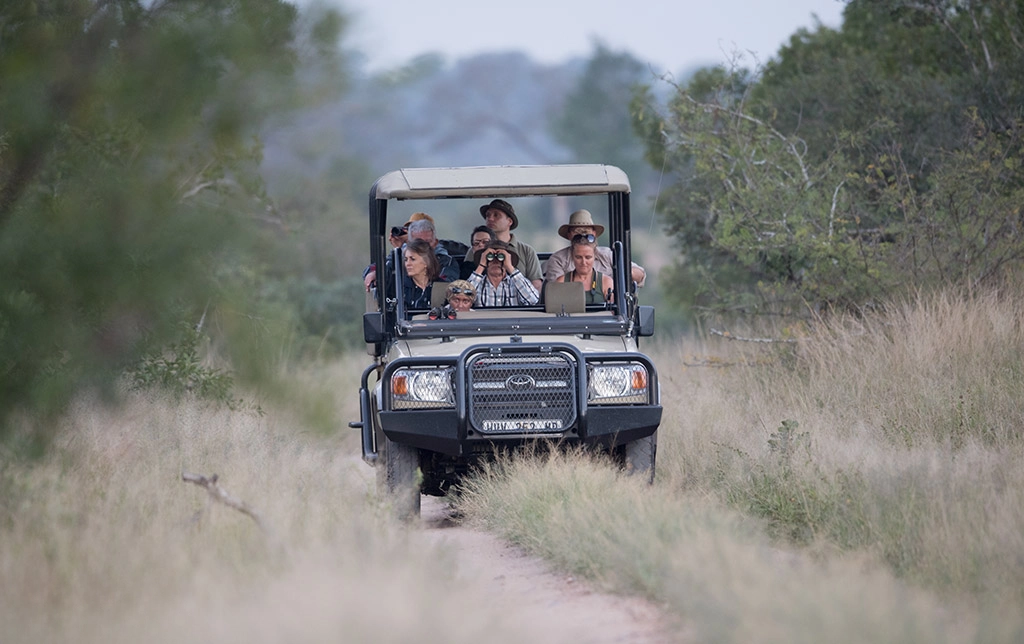
A morning game drive will commonly keep you out for several hours, although the exact timing varies between camps, destinations and what is happening with the wildlife. The drive is rarely a continuous search at speed. Your guide may stop to examine tracks, listen for alarm calls, watch the behaviour of other animals or simply spend time at a good sighting. Some camps include a coffee stop in the bush, while others remain out until returning for breakfast or brunch. Afternoon drives generally begin once the heat starts to ease and may continue through sunset, often with a sundowner stop where local regulations and the safari area allow it. In reserves that permit night drives, the return to camp may continue after dark as the focus shifts towards nocturnal wildlife.
Back in Camp
The hours between morning and afternoon activities are deliberately quieter. Breakfast or brunch is followed by time to rest, have lunch, use the pool, read, enjoy your room or simply watch whatever wildlife may be visible from camp. At some properties, this is also when optional activities, spa treatments or short walks may be available. After the afternoon activity, dinner may be served in the main dining area, outside under the stars or around a boma fire, depending on the property and weather. Safari days can be full, so there is no need to fill every spare hour with another activity.
How the Guide Shapes the Experience
A good safari guide does far more than drive the vehicle and identify animals. They interpret tracks and behaviour, decide when a sighting is worth waiting at, judge how closely wildlife can be approached, explain the landscape and help guests understand what they are seeing. They also make constant decisions about where to spend time and when to move on. This is why guiding quality matters so much. Two guests can visit the same reserve in the same week and have very different experiences depending on the quality of the guiding and the decisions made in the field.
Wildlife Sightings: What to Realistically Expect
Wild animals are not working to an itinerary, and no reputable safari operator should guarantee that you will see a particular species on a particular drive. Choosing the right destination, season and wildlife area can significantly improve your chances, but there will always be an element of unpredictability. That is part of the appeal. A leopard may appear within ten minutes of leaving camp, or your guide may spend several drives following signs before finding one.
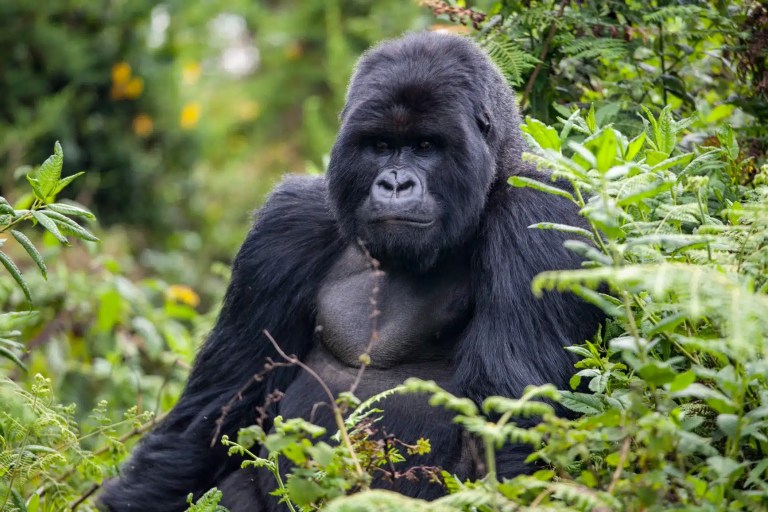
First-time travellers can also become overly focused on the Big Five. Lion, leopard, elephant, rhino and buffalo are important safari species, but treating them as a checklist can mean overlooking some of the most interesting encounters in the bush. Wild dogs hunting, elephants interacting at a waterhole, a hyena den, a herd of giraffe moving through woodland or a guide explaining the behaviour of a much smaller animal can be just as memorable. A strong safari experience is built around what is happening in front of you rather than how quickly five species can be ticked off a list.
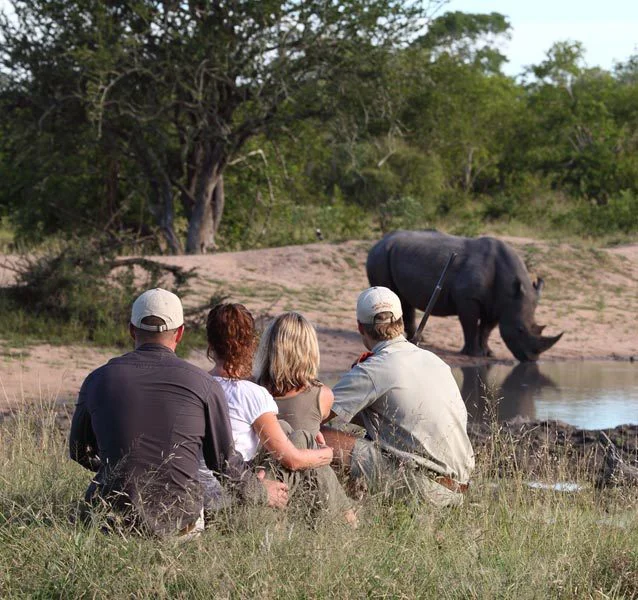
It is also normal to spend considerable time at one sighting. If lions are resting, a good guide may notice signs that they are becoming active and suggest waiting. If elephants are approaching a waterhole, positioning the vehicle early and allowing them to come towards you can produce a far better encounter than driving directly at them. Patience is one of the quickest things first-time safari travellers learn. Sometimes nothing appears to be happening until, suddenly, everything does.
Explore More Safari Ideas
Explore more destination guides, practical safari advice and travel ideas to help you understand the different ways to experience Africa.
Is an African Safari Safe? What First-Time Travellers Should Know
Personal Safety When Travelling in Africa
For some first-time travellers, the biggest concern is not the wildlife at all. It is the perception that travelling in Africa itself is unsafe. News coverage understandably tends to focus on conflict, political instability, crime and other serious events, but those stories do not provide an accurate picture of every country, region or safari destination across the continent. Africa is made up of many different countries with very different security situations, and conditions can also vary considerably within the same country. A remote safari area may have a completely different risk profile from a major city, border region or neighbourhood hundreds of kilometres away.
What Personal Security Looks Like on a Well-Planned Safari
Most professionally arranged safaris involve considerably more structure than many first-time visitors expect. Airport collections, private or scheduled road transfers, light-aircraft flights and transfers between camps are generally organised before you arrive. Camps and lodges are accustomed to looking after international travellers and can advise guests on local conditions and sensible precautions. Normal travel awareness still applies, particularly in cities and transit areas: use reputable or pre-arranged transport, avoid displaying valuables unnecessarily, be cautious about walking alone after dark and follow current local advice. Travellers should also check the latest government travel advice for every country on their itinerary rather than assuming that conditions are the same across Africa.
Safety Around Wildlife and in Safari Camps
Once you are in a wildlife area, the considerations change. You are travelling among genuinely wild animals, but reputable camps, lodges and guides operate with established safety procedures. Stay in the vehicle unless your guide specifically tells you it is safe to get out or you are taking part in an organised activity such as a guided walk. Never attempt to touch, feed, attract or approach wildlife, and listen when your guide asks you to remain seated, lower your voice or give an animal more space. Some safari camps are unfenced, allowing wildlife to move naturally through the property. Where required, staff will escort guests between communal areas and their rooms after dark. If an animal is outside your room or blocking a pathway, stay where you are and contact camp staff rather than attempting to walk around it. Following the instructions of guides and camp staff removes a great deal of unnecessary risk.
Health and Environmental Risks on Safari
Some of the more realistic day-to-day risks on safari are far less dramatic than encounters with large animals. Strong sun, dehydration, insects, uneven ground, changing temperatures and long periods travelling on rough roads deserve attention. Safari areas can also be remote, with major medical facilities some distance away, so appropriate travel insurance is important. Travellers with medical conditions, mobility requirements or other particular needs should discuss them before travelling so that suitable camps, activities and transport arrangements can be considered. Safari involves spending time in wild and sometimes remote places, but good planning, reputable operators, experienced guides, sensible personal precautions and a willingness to follow local advice allow most travellers to enjoy the experience without feeling that personal safety should dominate their trip.
What Staying in a Safari Camp or Lodge Is Like
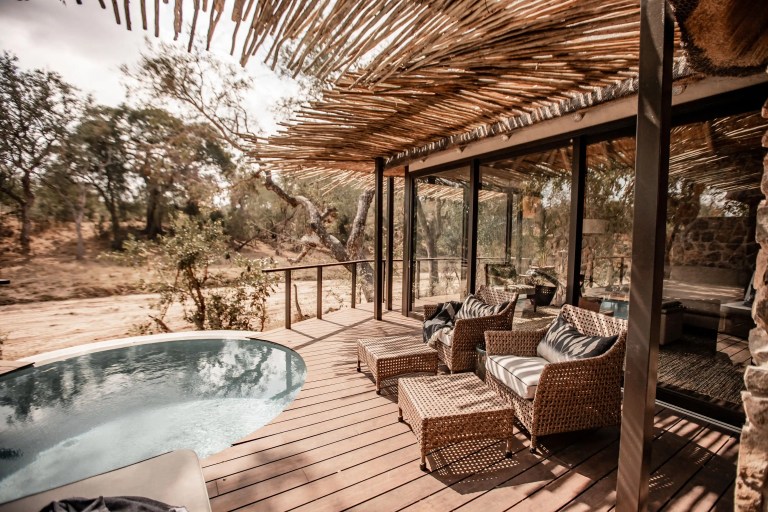
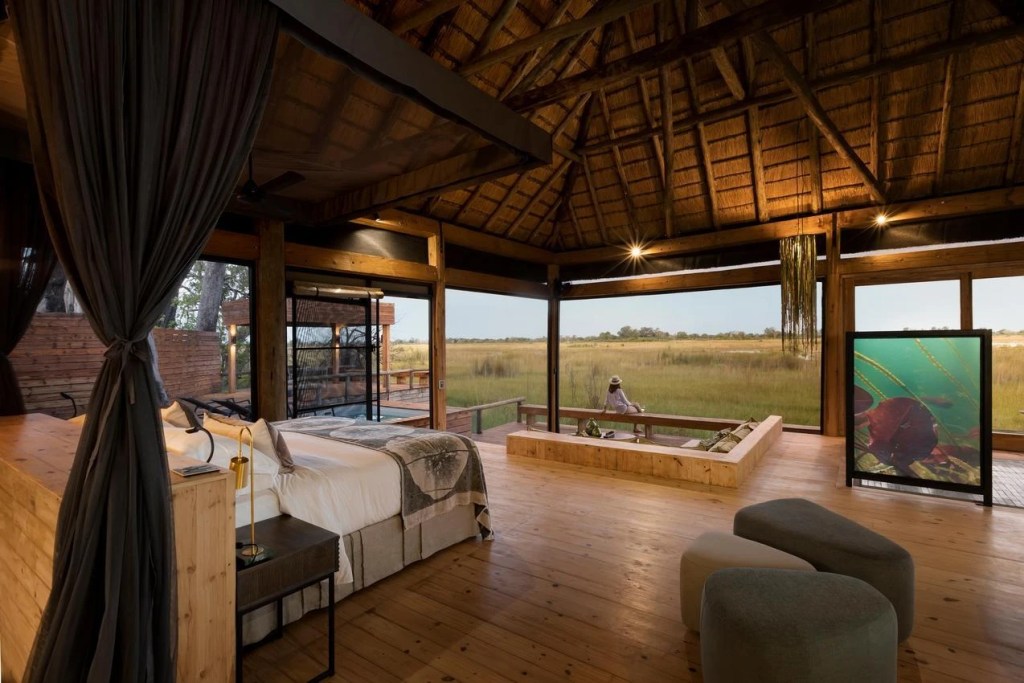
One of the biggest surprises for many first-time travellers is how comfortable safari accommodation can be. The word “camp” does not necessarily mean conventional camping. A tented safari camp may have a proper bed, ensuite bathroom, hot shower, electricity, private deck, quality meals and highly personal service, while still using canvas walls and allowing you to hear the sounds of the bush at night. At the other end of the spectrum are substantial safari lodges with pools, spas, air conditioning and larger communal areas. Neither format is automatically better. The important question is which style suits the experience and level of comfort you want.
Meals are generally an important part of the stay and are often included in the safari rate, although inclusions differ between properties. Depending on the camp, you may have an early snack before the morning drive, a substantial breakfast or brunch afterwards, lunch, afternoon tea and dinner. Drinks may also be included at some properties. Laundry is widely available, which is particularly useful when travelling with the smaller luggage allowances often associated with light-aircraft safari flights. Wi-Fi is increasingly common, but remote camps can have slower or less reliable connections, and some intentionally limit connectivity in guest areas.
The atmosphere also differs significantly between properties. Some camps are small and intimate, with only a handful of rooms and plenty of interaction with guides, managers and other guests. Larger lodges can offer more facilities and greater flexibility for families or multi-generational groups. Some properties are fenced, while others allow wildlife to move naturally through camp. When choosing safari accommodation, location, guiding, access to the wildlife area and overall fit are often more important than simply choosing the most elaborate room.
Common Misconceptions About Going on Safari
“A Tented Camp Means Roughing It”
Safari terminology can be misleading if you have never travelled this way before. A luxury tented camp is very different from pitching your own tent at a campsite. Many have permanent or semi-permanent suites with proper furniture, ensuite bathrooms, running water, electricity and private verandas. Canvas simply keeps you more connected to the surrounding environment. There are also simpler mobile and expedition-style camps where the experience is intentionally more pared back, so it is worth understanding exactly what each property offers rather than judging it by the word “camp.”
“You Will See Animals Everywhere, All the Time”
Good wildlife areas can produce exceptional viewing, but safari is not a zoo and there will be quieter periods. You may drive for some time without seeing a major animal, then suddenly encounter elephants, predators or a large herd within minutes. Some of the best sightings also develop slowly. The expectation that every moment should contain dramatic wildlife can make people impatient and cause them to miss much of what makes being in the bush interesting.
“Africa Is Always Hot”
This catches many first-time travellers out. Early morning game drives can be very cold in parts of Southern and East Africa, particularly during the drier winter months and when travelling in an open vehicle. Temperatures can change considerably between leaving camp before sunrise and returning several hours later. Layers are far more useful than assuming safari clothing should always be lightweight summer wear. A warm jacket, fleece or similar outer layer can be just as important as a hat and sunscreen.

Light Aircraft Flights, Luggage and Getting Between Camps
Getting to some of Africa’s best safari areas is part of the experience. Depending on your itinerary, transfers may involve a combination of scheduled flights, small aircraft, road transfers, boats and safari vehicles. In places such as Botswana’s Okavango Delta, remote parts of Zambia and some East African safari circuits, light aircraft are commonly used to connect camps and wildlife areas that would otherwise require many hours by road. These flights are generally short and highly practical, but first-time travellers should be prepared for smaller aircraft, remote airstrips and a very different experience from flying on a major commercial airline.
Luggage restrictions are particularly important. Small safari aircraft often have lower weight limits than international flights and may require soft-sided bags rather than rigid suitcases. Exact allowances vary by airline, aircraft and route, so these should always be confirmed for the itinerary you are actually travelling. The good news is that most safari travellers need considerably less clothing than they initially expect. Laundry is available at many camps, which makes packing light much easier. Neutral, comfortable clothing, a warm layer for early mornings, a hat, sunscreen, closed shoes and a small day bag will cover most normal safari days.
Transfers also affect how an itinerary feels. Moving camp every night or two can quickly become tiring once packing, airstrip transfers and flight connections are included. For a first safari, spending enough time in each wildlife area usually produces a more relaxed trip and gives you several opportunities to explore with your guide rather than constantly moving on. This is one reason a well-designed tailor-made safari itinerary should consider the travel time between camps as carefully as the camps themselves.
How to Get the Most From Your First African Safari
One of the best things you can do on your first safari is arrive with interests rather than a rigid checklist. Tell your guide which animals, landscapes or experiences matter to you, but also give them room to respond to what is happening in the bush. Some of the most rewarding encounters are not the ones you expected before travelling. Ask questions, spend time watching behaviour rather than immediately moving to the next sighting, and do not worry if every drive does not produce a headline animal.
It is equally important to give yourself permission to slow down. Safari can involve early mornings, long periods in a vehicle and several hours outside each day. If you are tired, skipping an occasional drive to enjoy the camp is not wasting your safari. A well-planned trip gives you enough time that every activity does not feel compulsory. Arrive prepared, listen to the people who know the area, respect the wildlife and allow the experience to unfold around you. That is usually a far better introduction to Africa than trying to see everything on your first visit.
Ready for Your First African Safari?
We design each safari around the way you want to travel, bringing together the right destinations, camps, guiding and connections without trying to fit every traveller into the same itinerary.
First African Safari FAQs
About the Author
Nick Wigmore is Co-Founder and Director of Go Beyond Safaris and Photo Safari Company. Drawing on first-hand safari experience across Southern and East Africa, he helps travellers choose the right destinations, camps, seasons and itinerary combinations for a seamless, highly personalised African safari.