Gorilla Trekking in Uganda: Permits, Costs, Best Time and What to Expect
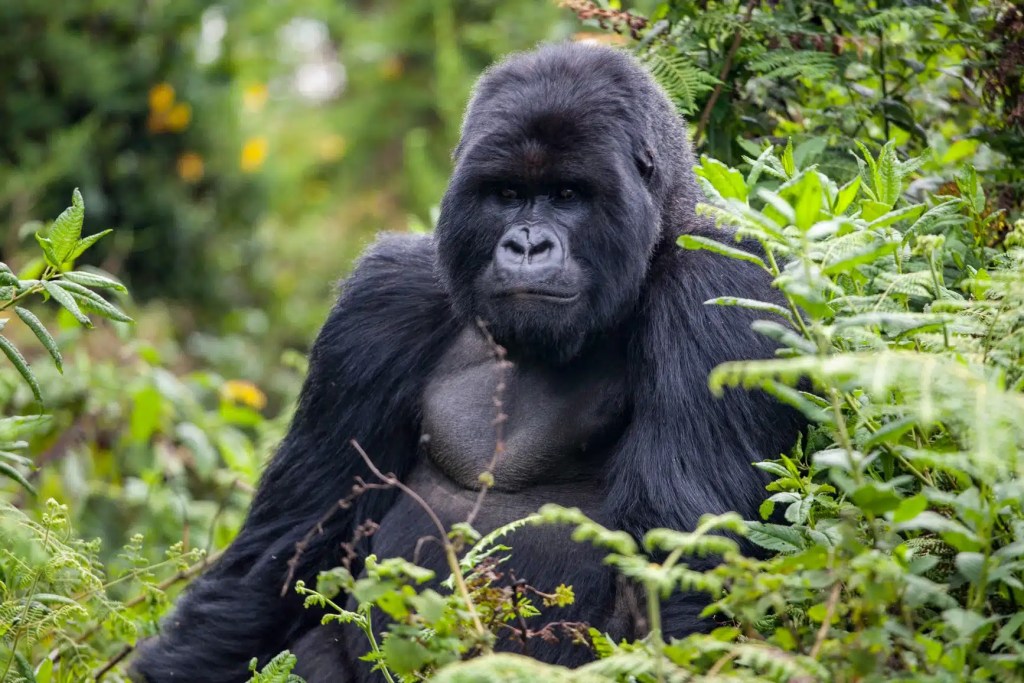
Uganda gorilla trekking takes you on foot into the mountain rainforests of Bwindi Impenetrable National Park or Mgahinga Gorilla National Park to find a habituated mountain gorilla family. Once the gorillas are located, a standard permit allows you to spend one closely managed hour observing them with Uganda Wildlife Authority rangers and trackers.
The encounter may last one hour, but the complete experience is shaped by far more than the time spent with the gorillas. Permit availability, the chosen park and trekking sector, lodge location, forest conditions, mobility and the wider safari route all influence how comfortably the day works. The trek might be relatively short, or it could involve several demanding hours on steep, muddy and densely vegetated terrain.
This guide explains current Uganda gorilla permits and costs, the best times to travel, the differences between Bwindi and Mgahinga, what happens on trekking day and how physically prepared you need to be. It also covers porter support, clothing, health rules and the planning decisions that can turn a complicated forest excursion into a carefully organised part of a broader Uganda safari.
Planning a Gorilla Trek in Uganda?
We can coordinate your gorilla permit, trekking sector, lodge, transfers and wider Uganda itinerary around your dates, mobility, comfort preferences and wildlife priorities.
What Gorilla Trekking in Uganda Actually Means
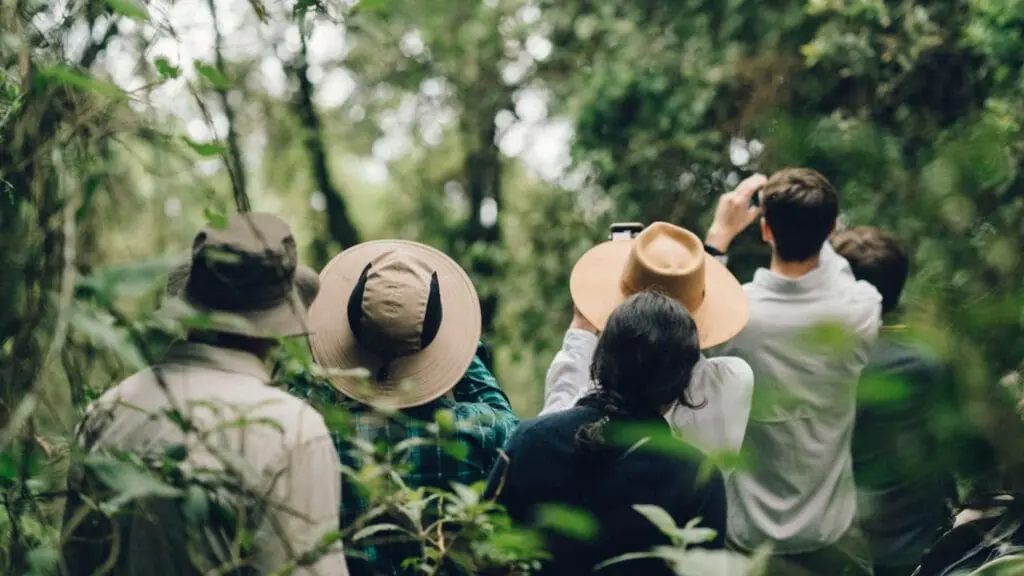
Gorilla trekking is a guided forest activity rather than a conventional game drive. Trackers monitor the location of habituated gorilla families, while rangers lead small visitor groups through the forest to find the family allocated that morning. The route is not a fixed tourist trail because the gorillas move naturally through their habitat, feeding, resting and travelling according to conditions in the forest.
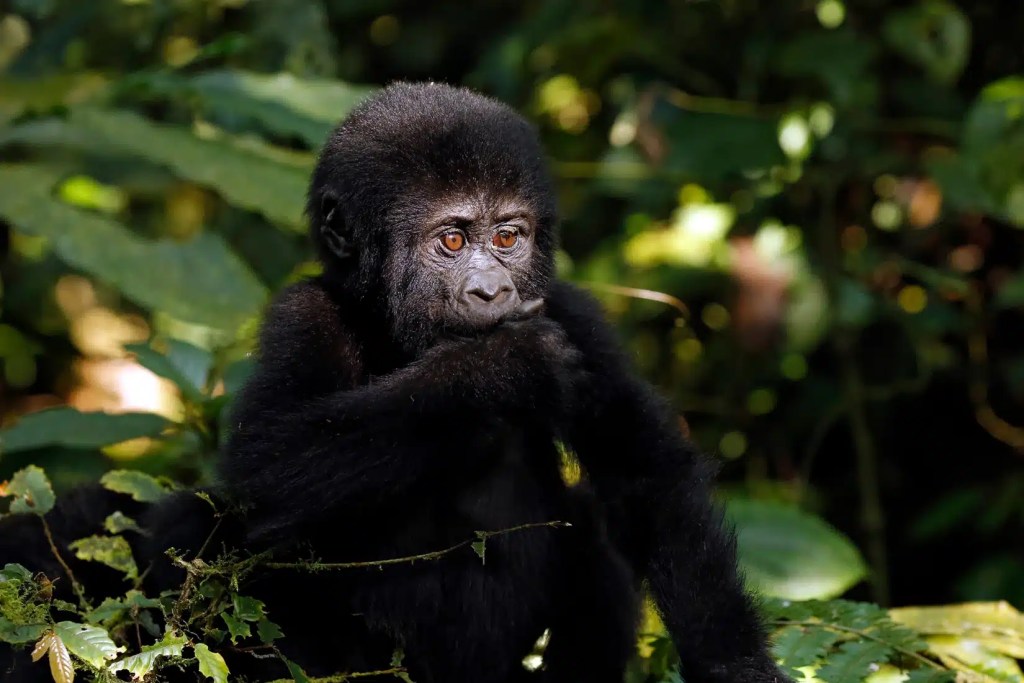
Once the family is located, the standard experience provides one hour of observation. You may see a silverback resting nearby, adults feeding, mothers caring for infants or younger gorillas moving through the vegetation. Each encounter is different. The animals may be active and visible, or settled within thick forest growth, so the experience is based on patient observation rather than staged interaction or guaranteed photographic positions.
Uganda offers trekking in Bwindi and Mgahinga, but the two parks are not interchangeable from a planning perspective. Bwindi has four trekking sectors, Buhoma, Ruhija, Rushaga and Nkuringo, with different access routes and lodge options. Mgahinga provides a quieter alternative within the Virunga Mountains. Your permit location therefore needs to be confirmed before accommodation and transfers are finalised, particularly in Bwindi, where travelling between the wrong lodge and trekking sector can create a difficult start to the day.
Uganda Gorilla Trekking Permits and Costs
Current Uganda Gorilla Permit Prices
As of August 2026, a standard Uganda gorilla trekking permit costs US$800 for a foreign non resident, US$700 for a foreign resident, US$500 for a citizen of another African country and UGX300,000 for an East African citizen. Uganda Wildlife Authority has also introduced discounted permits for April, May and November, priced at US$600 for foreign non residents and US$500 for foreign residents. The announced low season discount applies specifically to those two categories, and the discounted permits cannot be rescheduled. Permit prices and conditions should always be reconfirmed before payment.
What the Permit Includes
A standard permit covers the trekking activity, Uganda Wildlife Authority guiding, park entry for the day and one hour with the allocated habituated gorilla family once it has been located. It also includes a contribution towards community development. The permit does not cover your accommodation, road transfers, domestic flights, porter, personal equipment, gratuities or other activities within the itinerary. The complete cost of a gorilla safari therefore depends on far more than the permit alone.
The Gorilla Habituation Experience
Uganda also offers a more specialised gorilla habituation experience in Bwindi. This allows up to four hours with a gorilla family undergoing the gradual process of becoming accustomed to a carefully controlled human presence. The foreign non resident permit is US$1,500 during 2026, with Uganda Wildlife Authority announcing an increase to US$1,800 from 1 January 2027. Availability is much more limited than standard trekking, and the longer encounter does not necessarily mean an easier day because more time may be spent moving through the forest with researchers and trackers.
Booking and Payment Rules
Permit availability should be confirmed before finalising the lodge and wider route. From 15 March 2026, Uganda Wildlife Authority suspended the former seven day unpaid reservation period, meaning permits are secured through full payment rather than held while travellers decide. This makes it important to confirm names, dates, permit category and trekking location before paying. We coordinate this process through our licensed partners and align the permit with the correct lodge, transfers and surrounding itinerary. The current arrangements are detailed in the Uganda Wildlife Authority tariff update.
Best Time for Gorilla Trekking in Uganda
Gorilla trekking operates throughout the year because the gorillas remain within their forest habitat rather than following a seasonal migration. June to September and December to February are generally the most popular periods because conditions are often drier. Trails may be firmer, road transfers more manageable and the trek somewhat more comfortable, although Bwindi and Mgahinga are rainforests and showers remain possible in any month.
The wetter periods generally fall from March to May and again around October and November. These months can produce muddier trails, slippery slopes and more variable road conditions, making suitable footwear and porter support especially useful. They can also bring intensely green forest, fewer visitors and better permit availability. The reduced permit prices during April, May and November may appeal to travellers who are comfortable accepting more demanding trekking conditions.
The best time should also be considered in relation to the rest of your Uganda safari. If you are combining gorillas with chimpanzees in Kibale, game drives in Queen Elizabeth National Park or a wider East Africa itinerary, the overall route and wildlife priorities may matter more than selecting the theoretically driest month. No season guarantees a dry trail, and a well planned green season safari can still be extremely rewarding.
Planning a Wider Uganda Safari?
Discover how Bwindi and Mgahinga can be combined with Uganda’s chimpanzee forests, savannah parks, waterways and other wildlife regions.
Bwindi or Mgahinga: Where Should You Trek?
Bwindi Impenetrable National Park is the principal gorilla trekking destination in Uganda. It has four separate trekking sectors, Buhoma, Ruhija, Rushaga and Nkuringo, with different road approaches, briefing points and accommodation catchments. Bwindi generally provides the greatest permit capacity and widest selection of lodges, but this does not mean every part of the park works equally well for every itinerary.
The correct Bwindi sector is an important logistical decision. A lodge near Buhoma will not necessarily provide practical access to a permit issued for Rushaga or Nkuringo. Travelling between distant sectors can require several hours on winding roads, which is particularly undesirable before an already demanding forest trek. The strongest sequence is to confirm permit availability first and then select accommodation positioned for that permit and the wider route.
Mgahinga Gorilla National Park offers a quieter alternative in Uganda’s Virunga Mountains. Daily gorilla trekking capacity is more limited, and there are fewer accommodation choices, but the park’s bamboo forest, volcanic scenery and opportunities for golden monkey tracking give it a distinct character. Mgahinga can fit particularly well into journeys using Kisoro or combining the gorilla trek with other experiences in south western Uganda.
Neither park offers inherently better gorillas. The quality of the encounter depends on the family’s location, behaviour, surrounding vegetation and conditions on the day. We recommend choosing between Bwindi and Mgahinga according to permit availability, lodge preferences, access, mobility and how naturally the location connects with the rest of the safari.
What to Expect on Gorilla Trekking Day
The day begins early with breakfast at the lodge and a transfer to the relevant park headquarters or briefing point. Rangers explain the trekking rules, health precautions and what to do when the gorillas are located. Visitor groups are then allocated to a habituated family and introduced to the ranger team. This is also the time to engage a porter, organise a walking stick and make sure your water, packed food and waterproof layer are accessible.
The overall trekking activity can take approximately two to seven hours, although no responsible planner can promise a precise duration. The gorillas move freely and their location changes each day. Rangers remain in contact with trackers while guiding the group through the forest, stopping where necessary for rest and helping everyone negotiate steeper or more heavily vegetated sections.
Once the gorillas are reached, the standard viewing period is one hour. Visitors must follow the distance and positioning instructions given by the ranger, remain quiet, avoid flash photography and never attempt to touch or approach an animal. If a gorilla moves closer, stay calm and follow the guide’s direction. After the encounter, the group walks back to the trailhead before returning to the lodge, where the remainder of the day is best kept relatively relaxed.
How Difficult Is Gorilla Trekking in Uganda?
Terrain and Duration Cannot Be Guaranteed
The same trekking sector can produce a relatively manageable walk one day and a much longer outing the next. Terrain may include steep slopes, exposed roots, uneven ground, thick vegetation and slippery mud. Humidity, altitude and rain can add to the physical effort. Travellers should therefore prepare for the more demanding possibility rather than assuming they will be allocated a nearby gorilla family.
Fitness and Mobility
You do not need to be an elite hiker, but reasonable mobility, balance and cardiovascular fitness make the day considerably more comfortable. Regular walking, hill work and time on uneven ground before travelling can help. Anyone with significant knee, hip, back, balance or respiratory concerns should discuss them honestly during the planning stage because an easy route or short trek cannot be guaranteed in advance.
Why We Recommend Hiring a Porter
A porter can carry your daypack, help with footing on difficult sections and reduce the energy spent managing water, camera equipment and spare clothing. This is useful even for fit travellers, particularly when the trail is wet or the gorillas are some distance away. Employing a porter also creates direct local income around the protected area. It is a practical decision that can make the trek safer and more enjoyable rather than an admission that you are not fit enough.

What to Wear, Pack and Prepare for Gorilla Trekking
Wear broken in walking or hiking boots with reliable grip, lightweight long trousers and a long sleeved shirt that protects against vegetation and insects. A breathable waterproof jacket should be carried even during the drier months. Lightweight gardening or trekking gloves can help when using vegetation for balance, while gaiters or long socks provide useful protection from mud and insects around the lower legs.
Carry water, the packed food provided by your lodge, insect repellent, sun protection and any essential medication in a small comfortable daypack. A waterproof liner or separate dry bags can protect camera equipment, documents and spare clothing. If taking a camera, prepare your settings before entering the forest, bring a charged battery and remember that flash photography is prohibited. Avoid carrying unnecessary equipment that adds weight without improving the experience.
Health precautions protect the gorillas as well as visitors. Mountain gorillas can contract human respiratory illnesses, so anyone who is unwell may not be permitted to trek. Follow the current mask, distancing and hygiene instructions provided by Uganda Wildlife Authority and the ranger team. Comprehensive travel insurance should cover medical treatment, evacuation, trip interruption and activities at altitude, with the exact policy wording checked before travelling.
Making Gorilla Trekking Part of a Complete Uganda Safari
Gorilla trekking may be the main reason for visiting Uganda, but it does not need to stand alone. Bwindi can be combined naturally with chimpanzee tracking in Kibale, game drives and the Kazinga Channel in Queen Elizabeth National Park, or a quieter wildlife stop in Lake Mburo. Mgahinga can add golden monkeys and Virunga scenery, while domestic flights can reduce long road journeys when time is limited.
The strongest itinerary begins with the permit and then builds the lodge, access arrangements and surrounding safari around it. Allow a proper night near the trekking sector before the activity, avoid an unnecessarily demanding transfer immediately afterwards and be realistic about mobility. When these details are handled properly, Uganda gorilla trekking becomes a carefully paced wildlife experience rather than a rushed excursion added to an already crowded itinerary.
Plan Your Uganda Gorilla Trek Properly
Tell us when you would like to travel, your preferred comfort level and whether you want to combine gorillas with chimpanzees, conventional wildlife or a wider East Africa safari.