
Masai Mara Safaris
Big Cats, Great Migration & Private Conservancies in Kenya
Experience exceptional year-round wildlife, the seasonal Great Migration and Kenya’s renowned big-cat country on a tailor-made Masai Mara safari designed around the right reserve area, conservancy, camp and pace for you.
Tailor-Made Masai Mara Safaris for Big Cats, the Great Migration and Private Conservancies
The Masai Mara is one of Kenya’s defining safari destinations, combining open savannah, prolific resident wildlife and some of East Africa’s most celebrated lion, cheetah and leopard viewing. The Masai Mara National Reserve forms the core of the experience, while neighbouring private and community conservancies can add lower vehicle density, greater guiding flexibility and activities such as night drives and guided walks where permitted.
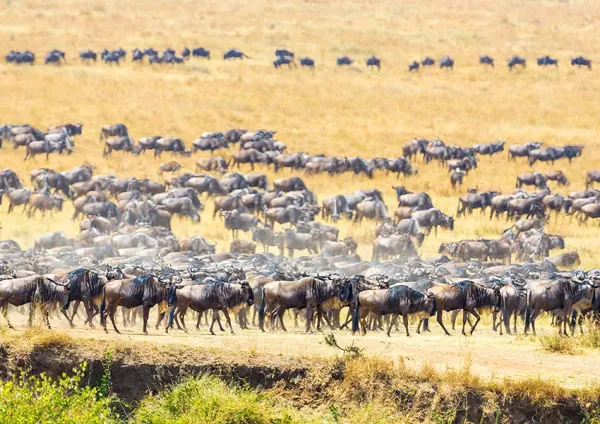
The Great Migration is the Mara’s most famous seasonal event, with large wildebeest and zebra herds typically moving into the wider Mara ecosystem from around July to October. Exact timing and river crossings depend on rainfall and grazing conditions, so they can never be guaranteed for a particular day. Importantly, the Mara is not a migration-only destination: resident predators, elephants, giraffes, buffalo, hippos, plains game and rich birdlife make it highly rewarding throughout the year.
At Go Beyond Safaris, we design Masai Mara safaris around your travel dates, wildlife priorities and preferred style of journey. We consider whether the main reserve, the Mara Triangle or a neighbouring conservancy best fits your trip, then match this with the right camp or lodge, guiding, internal flights and wider Kenya safari routing. The result is a safari shaped around the experience you want rather than a fixed package or one-size-fits-all itinerary.
Masai Mara At A Glance
Key Facts for a Masai Mara Safari
The Masai Mara National Reserve covers approximately 1,510 km² of open grassland, riverine forest and acacia-dotted savannah within the wider Mara–Serengeti ecosystem. It supports the Big Five alongside cheetahs, spotted hyenas, hippos, giraffes, zebras and large concentrations of plains game, with more than 95 mammal species and 570 bird species recorded.
The Mara is famous for the Great Migration, with large wildebeest and zebra herds typically present during the July-to-October period, although rainfall determines the exact movement of the herds and river crossings are never guaranteed. Outside migration season, resident wildlife remains exceptional, making the Masai Mara a genuine year-round safari destination.
Masai Mara National Reserve
Recorded Bird Species
Recorded Mammal Species
July – October
Typical Great Migration Window
Why the Masai Mara Is One of Kenya’s Great Safari Destinations
Exceptional Big Cat Viewing
The Mara is one of Africa’s outstanding big-cat landscapes, with excellent year-round opportunities to see lions, cheetahs and leopards across open grasslands, river systems and wooded cover.
The Great Migration
Seasonal wildebeest and zebra herds move into the wider Mara ecosystem, creating extraordinary concentrations of wildlife and the possibility of dramatic Mara River crossings.
Year-Round Resident Wildlife
Outside migration season, lions, cheetahs, leopards, elephants, buffalo, giraffes, hyenas and abundant plains game keep the Mara highly rewarding throughout the year.
Classic Mara Landscapes
Open savannah, the Mara and Talek rivers, riverine forest, marshes and the Oloololo Escarpment give the ecosystem far more variety than its famous grasslands alone suggest.
Private Conservancy Safaris
Neighbouring conservancies can offer lower vehicle densities and a more exclusive safari atmosphere, with additional activities and guiding flexibility depending on local rules and the camp you choose.
Hot-Air Balloon Safaris
A sunrise hot-air balloon flight reveals the scale of the Mara from above, followed by the chance to return to ground level for classic game drives and wildlife encounters.
Why Choose a Masai Mara Safari

The Masai Mara is an exceptional choice for travellers who want wildlife to be the centre of the journey. Its open plains make animal behaviour unusually visible, and the combination of lions, cheetahs, leopards, elephants, hyenas, giraffes, buffalo and large herds of plains game creates rewarding game viewing well beyond the seasonal migration months.
The experience changes significantly depending on where you stay. The main reserve places you close to classic Mara landscapes and key migration areas, while selected neighbouring conservancies can offer fewer vehicles, intimate camps and additional activities such as guided walks, night drives or controlled off-road viewing where local rules permit. Matching the right location to your dates and priorities is one of the most important decisions in planning a Mara safari.
The Masai Mara also works beautifully as part of a wider Kenya itinerary. It can be paired with Amboseli, Laikipia, Samburu or time on the Kenyan coast, while fly-in connections allow the safari to remain smooth and time-efficient. We design the route around the wildlife, camp style, pace and level of privacy that suit you rather than simply choosing the best-known lodge.
Exceptional Big Cat Encounters
The Mara is renowned for lions and cheetahs, with leopards also present around riverine and wooded habitats. Open plains make predator movement and behaviour easier to follow.
Migration Planning
For July-to-October travel, we select the reserve area or conservancy according to likely herd movement while making clear that migration timing and river crossings remain unpredictable.
Conservancy Privacy
Selected private and community conservancies can deliver lower vehicle densities, intimate camps and a quieter safari experience, particularly outside the busiest areas of the main reserve.
Year-Round Wildlife
The Mara remains rewarding outside the migration months, with strong resident predator populations, elephants, buffalo, giraffes, hyenas and abundant plains game.
Hot-Air Balloon Safaris
A sunrise balloon flight offers a completely different perspective on the grasslands and wildlife below, adding a memorable experience without replacing time on game drives.
Camp & Itinerary Choice
Camp location, guiding, reserve access, vehicle policies, seasonality and onward logistics all matter. We match these details to the way you want to experience Kenya.
Masai Mara Wildlife and Savannah Landscapes
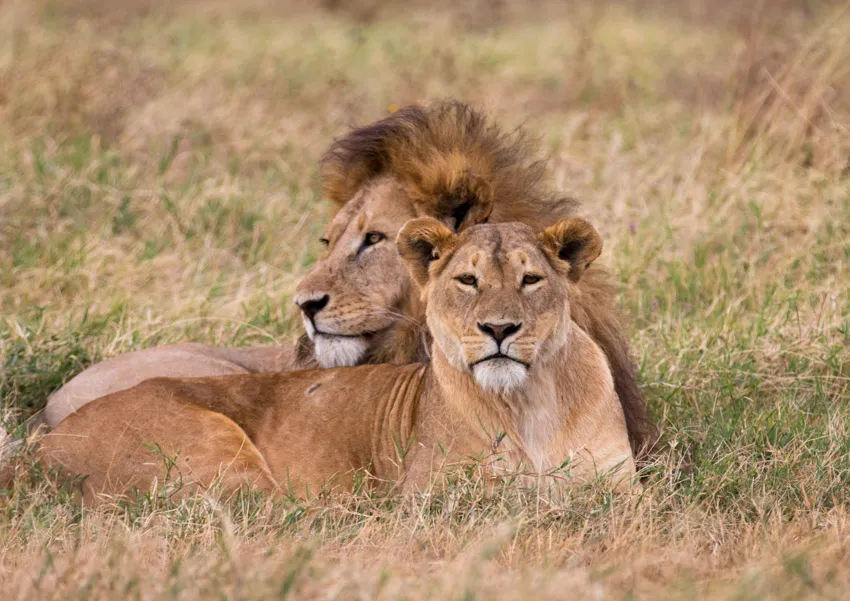
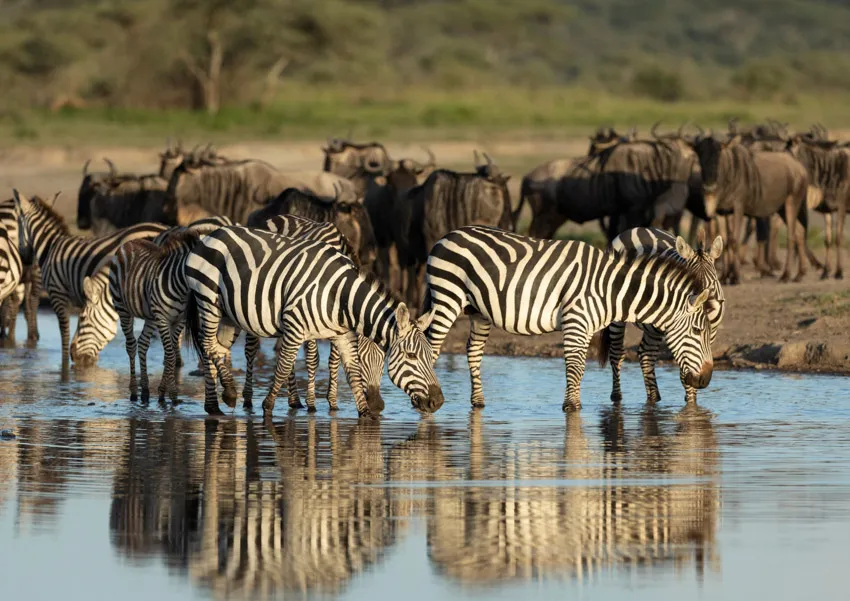
The Masai Mara is one of East Africa’s great wildlife landscapes, with exceptional predator viewing and abundant resident game throughout the year. Lions and cheetahs are particular strengths, while leopards, elephants, buffalo, giraffes, spotted hyenas, hippos, crocodiles and diverse antelope species add depth to every safari. During the migration period, immense numbers of wildebeest and zebra can transform the scale and energy of the ecosystem.
The Mara’s wildlife experience is about far more than a checklist. Open grasslands make hunting, grazing, territorial behaviour and predator-prey interactions unusually visible, while the Mara River introduces hippos, crocodiles, riverine forest and the possibility of seasonal crossings. Birdlife is also exceptionally rich, from raptors and vultures to ground birds, waterbirds and colourful savannah species.
The landscape changes as you move through the ecosystem. Open plains give way to acacia-dotted grasslands, marshes, river corridors and the Oloololo Escarpment, while neighbouring conservancies extend the wildlife landscape beyond the national reserve. Choosing the right camp location allows your safari to reflect the season, the wildlife you most want to see and the level of exclusivity you prefer.

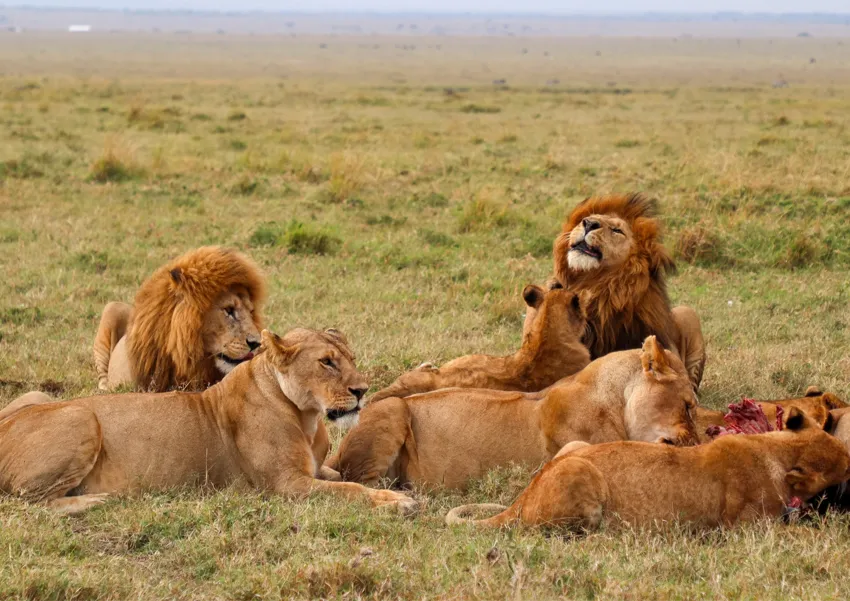
The Masai Mara rewards travellers who give it enough time. With the right camp, reserve area or conservancy and an itinerary matched to the season, you can experience its big cats, resident wildlife, river systems and open savannah at a pace that feels considered rather than rushed.
PRIVATE SAFARI EXPERIENCE
Game Drives, Private Vehicles and Conservancy Safaris in the Masai Mara

How you experience the Masai Mara depends significantly on where you stay. Inside the Masai Mara National Reserve, game drives follow the reserve’s established road and track network, with no night driving or general off-road game viewing. The neighbouring conservancies operate under different management models and can offer a more flexible safari experience, including lower vehicle densities and, in many areas, carefully controlled off-road viewing, night drives and guided walks.
This distinction is particularly important for travellers who value privacy, time at sightings and a varied activity programme. A stay in a well-chosen conservancy can provide quieter encounters with lions, cheetahs, elephants and other resident wildlife, while access to the main reserve keeps the Mara River, migration areas and iconic open plains within reach. The right choice depends on season, camp location and what you most want from the safari.
Where appropriate, we can arrange a private safari vehicle for couples, families and small groups who want greater control over the pace of each drive. We can also combine a conservancy stay with time in the main reserve or Mara Triangle, giving you a broader experience of the ecosystem without treating every part of the Mara as though the same rules and activities apply.
Best Time for a Masai Mara Safari
The Masai Mara is a rewarding year-round safari destination, but the character of the experience changes significantly with rainfall, grass conditions and the movement of the Great Migration herds. July to October is the best-known period, when large concentrations of wildebeest and zebra are typically present in the wider Mara ecosystem and river crossings may occur. These movements are natural and rainfall-driven, so exact timing can never be guaranteed.
Outside migration season, resident wildlife remains a major reason to visit. Lions, cheetahs, leopards, elephants, giraffes, buffalo, hyenas and plains game remain in the ecosystem throughout the year, while the greener months bring fewer peak-season visitors, dramatic skies and a different atmosphere across the savannah.
Green Season
January to March
Early in the year, the Mara is green and productive, with resident wildlife spread across fresh grasslands and excellent opportunities for big-cat viewing. January and February can include drier spells, while rainfall often becomes more frequent as March progresses.
- Green grasslands and expansive Mara skies
- Excellent birdlife and seasonal migrants
- Strong resident predator and plains-game viewing
- Generally fewer visitors than during migration season
- Rainfall patterns vary, with wetter conditions becoming more likely toward March
Best for
Big cats, green landscapes, resident wildlife and travellers who prefer a quieter Mara outside peak migration season
Long Rains & Transition
April to June
April and May are generally the wettest part of the year, bringing lush landscapes, dramatic skies and fewer visitors. By June, conditions usually begin to dry and the grasslands shift toward the classic dry-season look as the Mara approaches its busiest migration period.
- Lush landscapes and dramatic storm light
- April and May are generally the wetter months
- Resident lions, cheetahs, leopards and elephants remain rewarding
- Lower visitor numbers can create a quieter safari atmosphere
- June usually marks the transition toward drier conditions
- Some roads and activities can be affected after heavy rainfall
Best for
Lower visitor numbers, dramatic landscapes, strong resident wildlife and travellers comfortable with variable weather
Great Migration Season
July to October
July to October is the Mara’s most famous safari period, when large wildebeest and zebra herds typically move into the wider ecosystem from the Serengeti. Predator activity can be exceptional, and crossings of the Mara River may occur, but both herd location and crossing timing depend on rainfall and cannot be scheduled precisely.
- Large migration herds are typically present in the wider Mara ecosystem
- Excellent lion, cheetah, hyena and other predator activity
- Potential Mara River crossings, with timing dictated by herd movement
- Dryer conditions and classic golden savannah landscapes
- Peak demand means camps and flights should be planned well ahead
- River crossings are never guaranteed on a particular day
Best for
Great Migration herds, potential river crossings, predator activity and travellers wanting the Mara at its most dramatic
Short Rains & Quieter Mara
November to December
The short rains typically begin to refresh the Mara from around November, turning the grasslands greener as peak migration crowds fall away. Resident wildlife remains strong, birdlife is rewarding and the landscape can feel noticeably quieter and more intimate than during the July-to-October peak.
- Resident wildlife remains strong after many migration herds move south
- Good lion, cheetah, leopard and hyena viewing potential
- Fresh grass and dramatic skies as the short rains arrive
- Rewarding birdlife and a quieter overall safari atmosphere
- Rainfall is usually intermittent rather than continuous
Best for
Quieter safaris, refreshed green scenery, birdlife, resident predators and travellers seeking strong wildlife without peak-season intensity
TAILOR-MADE SAFARI EXPERIENCES
Tailor-Made Safari Experiences in the Masai Mara
A Masai Mara safari can be shaped around far more than a standard sequence of game drives. Depending on when you travel and where you stay, your journey might combine big-cat viewing in the main reserve, a quieter conservancy experience, the seasonal Great Migration, a sunrise hot-air balloon flight, guided walks or night drives in areas where these activities are permitted.
The camp or lodge you choose plays a major role in the experience. We consider wildlife access, reserve or conservancy location, guiding quality, service, atmosphere, family or honeymoon suitability, vehicle arrangements and how easily the property connects with the rest of your Kenya itinerary. This allows us to build a Masai Mara safari around your priorities rather than simply choosing the most recognisable camp name.
What you can expect:
Whether your priority is big-cat viewing, the Great Migration, a quieter conservancy safari, family travel or a more private journey, the Mara offers enough variety to build a genuinely personalised experience. We shape the itinerary around where you stay, how you move between regions, the activities available from each camp and how much time you need to enjoy the wildlife without rushing.
“The Masai Mara was everything we hoped for — and so much more. We saw lions on our first game drive, cheetahs on our second, and then a river crossing we’ll never forget. But what stood out most was the quiet expertise behind it all — the guiding, the lodge, the care. It felt personal, thoughtful, and utterly wild.”
Masai Mara Wildlife
Wildlife You Can See on a Masai Mara Safari
The Masai Mara is renowned for its concentration of predators and abundant plains wildlife, with lions, cheetahs and leopards among the headline species. Elephants, buffalo, giraffes, hippos, spotted hyenas, jackals, wildebeest, zebras and numerous antelope species are also regularly encountered, while black rhino may be seen in some parts of the wider ecosystem.
The Great Migration adds another layer between roughly July and October, when large herds of wildebeest and zebra can move into the Mara from the Serengeti. Yet the strength of the destination is its resident wildlife: the Mara remains highly rewarding throughout the year, especially when the right reserve area or conservancy is matched to the season.
Signature Big Cat Viewing
Lions
The Mara is exceptional lion country, with resident prides using open grasslands, river systems and conservancy areas throughout the year. Sightings may include hunting behaviour, cubs, territorial interactions and long periods of relaxed social behaviour.
PREDATOR COUNTRY
Cheetahs and Leopards
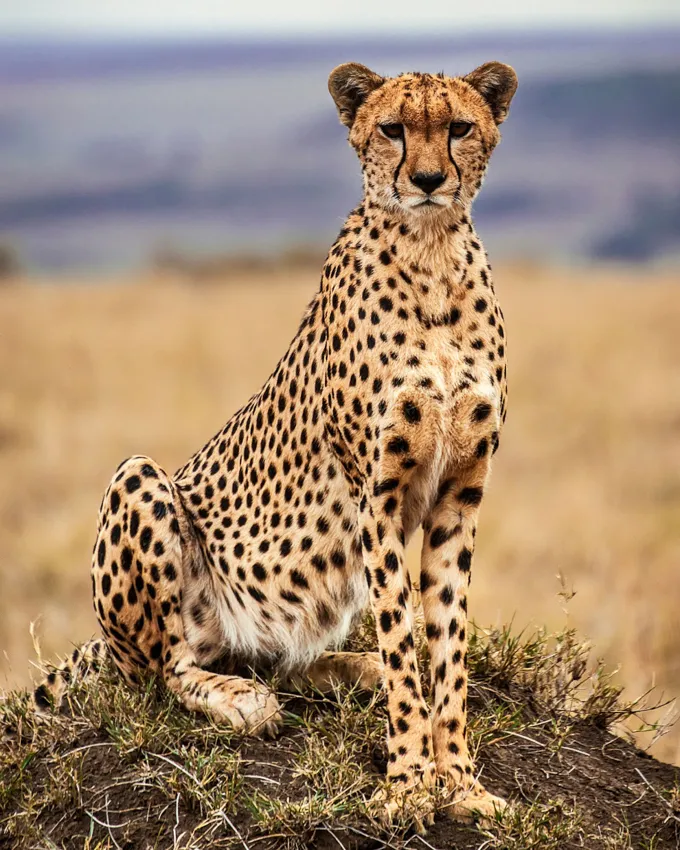
Cheetahs favour the Mara’s open plains and can provide outstanding daytime sightings, while leopards are more often associated with riverine woodland, drainage lines and thicker cover. Both add important variety beyond the Mara’s famous lion prides.
Great Migration Wildlife
Wildebeest and Zebra
During the typical migration period, large herds of wildebeest and zebra move through the wider Mara ecosystem in response to rainfall and grazing. River crossings can be spectacular, but their exact timing and location are unpredictable and should never be treated as guaranteed.
Large Mammal Encounters
Elephants, Buffalo and Hippos
Elephants and buffalo are regularly encountered across the Mara’s grasslands and woodland edges, while hippos gather in the Mara and Talek river systems. These larger species add scale, behaviour and variety to game drives between predator sightings.
Plains Wildlife
Giraffes, Antelope and Hyenas
Giraffes, topi, impala, Thomson’s and Grant’s gazelles, eland and other plains species are a constant part of the Mara landscape. Spotted hyenas are also prominent predators and scavengers, often providing some of the most interesting behavioural encounters on safari.
Birdlife and Smaller Wildlife
Birds, Jackals and Smaller Predators
The Mara supports rich birdlife alongside black-backed jackals, servals, bat-eared foxes and other smaller species that reward travellers who look beyond the headline animals. Raptors, vultures, cranes, bustards and colourful grassland birds add further variety throughout the year.
The Masai Mara is best experienced with enough time to look beyond a wildlife checklist. Several nights allow for changing weather, repeated predator encounters, different areas of the reserve or conservancies and the quieter behaviours that often become the most memorable parts of a safari.
Masai Mara Safari Camps and Lodges
Where you stay in the Masai Mara has a major influence on the safari itself. A camp inside the National Reserve can place you close to classic wildlife areas and seasonal migration routes, while a property in a neighbouring conservancy may offer lower vehicle density, night drives, guided walks and greater flexibility where local rules permit.
We select Mara camps and lodges around location, guiding, wildlife access, camp atmosphere, service, privacy, family or honeymoon suitability, season and overall value within the itinerary. Depending on how you prefer to travel, this may mean a traditional tented camp, a refined luxury lodge, an intimate conservancy property or an exclusive-use option for a family or private group.

Wilderness Mara
Set in the Mara Triangle beneath the Oloololo Escarpment, Wilderness Mara offers twelve elegant tented suites, exceptional wildlife year-round and privileged access to both sides of the Mara River.

Governors’ Il Moran Camp
Set beneath riverine forest on the Mara River, Governors’ Il Moran Camp offers ten spacious tents, excellent Big Five viewing, intimate service and prime access to the wildlife-rich Musiara sector.

Rekero Camp
Set on the Talek River inside the Masai Mara National Reserve, Asilia’s Rekero Camp combines excellent guiding, superb resident wildlife and prime seasonal access to Great Migration crossing areas.

Naboisho Camp
Set in the Mara Naboisho Conservancy, Asilia’s Naboisho Camp combines superb lion country, lower vehicle density, night drives and guided walks with consistently strong year-round wildlife viewing.

Mara Plains Camp
Mara Plains Camp sits in the Olare Motorogi Conservancy, pairing seven private luxury suites with superb big-cat viewing, privacy and access to both the conservancy and Masai Mara National Reserve.

Angama Mara
Perched above the Mara Triangle on the Oloololo Escarpment, Angama Mara combines sweeping views, refined luxury accommodation, excellent guiding and direct access to the wildlife-rich western Mara.
FLEXIBLE SAFARI OPTIONS
Flexible Masai Mara Safari and Camp Options
The camps listed above are examples of the properties we may recommend, but they are not a fixed shortlist. The best choice depends on your dates, preferred level of comfort, whether you want to stay inside the National Reserve or in a conservancy, your interest in the Great Migration, family or honeymoon requirements and how the Mara fits into the rest of your journey.
This flexibility allows us to design a Masai Mara safari around the experience you actually want. You may prefer one carefully chosen camp, a combination of reserve and conservancy stays, or a wider Kenya itinerary linking the Mara with Amboseli, Laikipia or Samburu. Longer East Africa journeys can also pair the Mara with Tanzania’s Serengeti for a broader view of the Serengeti–Mara ecosystem.
Getting there
How to Get to the Masai Mara
The Masai Mara is most easily reached from Nairobi by light aircraft, with scheduled services operating from Wilson Airport to airstrips across the reserve and neighbouring conservancies. The correct airstrip depends on where you are staying, so matching the flight to the camp is an important part of keeping transfers efficient and avoiding unnecessary time on the road.
Road travel from Nairobi is also possible and can work well for certain Kenya itineraries, while private charters may suit travellers seeking more direct connections or linking the Mara with other safari regions. We coordinate the routing around your international arrival, camp location, luggage requirements and wider itinerary so that getting to the Mara feels straightforward rather than becoming a separate planning exercise.
Scheduled Flights from Wilson Airport
For most fly-in safaris, the simplest option is a scheduled light-aircraft flight from Nairobi’s Wilson Airport to the Mara airstrip serving your camp. Flight time is typically around 45 minutes, although routing and intermediate stops can extend the journey.
Best for:
Travellers wanting the quickest and most practical route from Nairobi into the Masai Mara
Private Charters and Direct Air Connections
Private charter flights can provide more direct routing from Nairobi or other East African safari destinations, depending on the airstrip, aircraft and itinerary. They can be especially useful when scheduled timings do not connect cleanly with international flights or when several destinations are being linked privately.
Best for:
Private travellers, families and groups wanting more control over timing and routing
Road Transfers from Nairobi and the Rift Valley
The Masai Mara can also be reached by road from Nairobi via Narok, or incorporated into an overland Kenya itinerary through the Great Rift Valley. The drive is considerably longer than flying but can make sense when the journey includes places such as Lake Naivasha or when guests simply prefer to travel overland.
Best for:
Travellers combining the Mara with Nairobi, Lake Naivasha or a broader road-based Kenya safari
Typical Travel Times
We coordinate domestic flights, Nairobi transfers, camp airstrip connections, luggage guidance and arrival timing as part of your Masai Mara safari. When the Mara is combined with Amboseli, Laikipia, Samburu, the Kenya coast or Tanzania, we build the routing around the wider journey so that each transfer supports the itinerary rather than interrupting it.
“For most Mara itineraries, flying from Wilson Airport is the most efficient option. The key is choosing the airstrip that best serves your camp and allowing sensible connection time between Nairobi’s international and domestic airports.”
SAFARI PREPARATION
What to Pack for a Masai Mara Safari
Packing for a Masai Mara safari is mostly about comfort, changing temperatures and the practical limits of travelling by light aircraft. Days can be warm and sunny, but early morning game drives are often cool, while rain showers, dust and open-vehicle travel all influence what is useful to have with you.
Lightweight neutral clothing, a warm layer, comfortable footwear, sun protection, binoculars and a compact day bag will cover most safari needs. If you are flying into the Mara, soft-sided luggage is important and baggage allowances can be restrictive, so it is worth packing carefully rather than bringing more than you will realistically use.
We provide the relevant baggage allowances and transfer guidance as part of your itinerary, particularly when your Masai Mara safari includes light-aircraft sectors or several camps. AirKenya, for example, currently limits baggage on its services to 15 kg in soft-sided bags, although the exact allowance should always be checked against the airline booked for your journey.
Packing Tip
Pack in layers rather than bringing separate outfits for every condition. Keep medication, travel documents, valuables, one change of clothing and essential electronics in your hand luggage, and leave some flexibility in your baggage allowance for the light-aircraft sectors that are common on a Kenya safari.

TAILOR-MADE MASAI MARA SAFARIS
Plan Your Tailor-Made Masai Mara Safari
No two Masai Mara safaris need to look the same. We design each journey around your travel dates, wildlife priorities, preferred pace and level of comfort, whether that means a classic stay inside the National Reserve, a quieter conservancy experience, a family safari, a honeymoon or a migration-focused journey combining more than one area.
From choosing the right camp and airstrip to arranging private vehicles, balloon safaris, internal flights and extensions elsewhere in Kenya or East Africa, we bring the individual pieces together around the experience you want. The result is a Masai Mara safari that feels personal, well paced and seamless from arrival to departure.
Masai Mara Safari FAQs
Everything You Need to Know About Planning a Masai Mara Safari

“
GUEST EXPERIENCE
A Masai Mara Safari in Their Words
“We’ve travelled a lot, but the Masai Mara was something else. The landscape, the wildlife, our guide — all beyond expectation. We felt looked after without ever feeling managed. It was seamless, soulful, and deeply moving. We’ll be back.”
Melissa & Kai
Munich
Plan Your Tailor-Made Masai Mara Safari
The Masai Mara combines exceptional year-round predator viewing, classic East African landscapes and the seasonal drama of the Great Migration with a broad choice of camps across the National Reserve and neighbouring conservancies.
Tell us when you want to travel, the wildlife experiences that matter most and how you prefer to safari. We’ll help choose the right area, camp or lodge, guiding style and routing — whether you are planning the Mara as the centrepiece of a Kenya safari or combining it with the Serengeti, Amboseli, Laikipia, Samburu or the Indian Ocean coast.